This was originally posted on Coldwell Banker Elite.
Scrolling through your Facebook timeline in your twenties and thirties can feel like a never-ending slideshow of #adulting milestones. Why is everyone engaged all of a sudden? When did so-and-so have a baby? Chances are, you’ve seen quite a few “We just bought a home!” posts, too. If you’re one of the 80% of millennials would like to purchase real estate, watching all your friends buy a home can trigger massive FOMO.
We’re here to help you figure out whether you’re ready to join the homeowner ranks! As fun as it looks on social media, buying a home before you’re ready or for the wrong reasons can be a huge mistake. Let’s go through the top 3 signs you’re not ready to buy a home right now:
1. Not enough money saved
So you’ve saved enough to make a 10% down payment on your dream home, congrats! Unfortunately, the down payment is only one part of the costs you’ll need to pay upfront. Once you cough up that 10% down payment, you’ll still need to pay for any closing costs, necessary inspections, repairs or maintenance costs, the first few months of mortgage and insurance payments, and any moving costs. Closing costs can run anywhere from 2-5% of the asking price while typical home inspections are around $350-500. That’s on top of your down payment!
Keeping all that in mind, is your dream home still within your housing budget of 30-33% of your yearly income?
2. You’re on the move
Due to the high up-front costs of buying a home, real estate is not generally a good short-term investment. The days of flipping distressed properties for a profit are over so if you’re planning on making money on the sale of your home, you’ll need to stay put for at least five years. If your career or relationship status isn’t particularly stable or you’re considering exploring new areas in the next few years—buying may not be the smart choice right now.
3. You’re still working on your credit
One of the biggest signs that you’re not ready to buy a home is a low credit score. It won’t make it impossible to buy a home, but it will make it more expensive. Check your credit score on free sites like Credit Karma—the higher your score, the better your interest rate on your mortgage will be! This can make a big difference in your monthly payments so if your credit score isn’t particularly healthy right now, you may want to wait to purchase a home. If you’re not sure where to start, a loan officer will be able to help you navigate the process of repairing your credit and getting ready to buy.
This was originally posted on Coldwell Banker Elite.
A school district and a home work congruently; a good school district can add family value to an already beautiful home. The balance of choosing a school district and a home can be difficult, since house-hunting with school-age children can be an adventure that contains an additional layer: finding a new school. Maybe you’ve found an ideal home in a not-so-ideal school district. Or you’ve found a great school district, but it’s harder to find a home that ticks all the boxes. In certain markets it is easier to find both. In a highly competitive market—such as the one we are currently in—sometimes compromise is the way forward. Choosing between a school district and a house is a tough decision, but there are work-arounds and questions to ask yourself that can help you navigate the process. Read on to learn misconceptions and insights about this common issue.
Myth: A lower-rated school district always offers a lower-quality education.
Fact: A district’s ranking is not necessarily a sign of the school’s value (or lack thereof). There are many factors in your child’s education and success, such as extracurricular activities, community support, access to Advanced Placement (AP) classes, personalized learning, and the child’s family support. If you find a good home in an area with many enrichment opportunities for your child, it may not matter if the school district is not top-ranked. By the same token, a highly ranked school district doesn’t guarantee the best educational environment for your child.
Myth: Property taxes are higher in good school districts.
Fact: Property tax rate has more to do with where the home is located and how the local government has allocated taxes. Often, rural areas have higher property taxes while metropolitan areas (which often have higher-rated school districts) tend to have lower rates. However, homes in highly-rated school districts are on average 49% more expensive than the national median home price. In short, there are many factors at play. Always do your homework.
Knowing Your Options
If you find a home you love in a school district you are less enamored with, take comfort in knowing that you have options! There are many alternatives to public school if you worry that your child’s education will suffer in your new district. Private schools and charter schools are alternatives that aim to provide students with more individual attention and specialized learning due to their smaller class sizes. Homeschooling or virtual classes can be great options as well.
Since all of these options either cost more money or more time, weigh them out based on your finances and family needs. Budget out what several years might look like for a variety of routes. Sometimes it ends up being more cost-effective to buy a home in a better school district rather than pay for private school tuition in your location of choice. Other times, the opposite is true. Doing your research and playing out the alternatives will help you narrow down your options.
Why a Home in a Great District May Be a Great Investment
It is worth noting that homes in highly-rated school districts tend to have higher property values and therefore higher resale values. If you plan to sell the home at some point, a home in a highly-ranked school district is often a good investment. (Plus, homes in above-average districts sell much faster.) There also tends to be more community activities, such as local sports leagues, parks, performing arts centers, and so on. These are all reasons to consider buying a home in a good school district even if you don’t have kids.
Why a Great Home May Outweigh an Average School District
A high-quality home provides a safe, nurturing environment for your child—which ultimately contributes to their success. If you find a great home in a lackluster school district, don’t write it off just yet. Evaluate the benefits and drawbacks of the local schools and look into community and extracurricular activities. There may still be AP classes and specialty programs suitable for high-achieving students, even in lower-ranked districts.
Plus, you’ll likely save money on your home, which puts more money back in your pocket to save for your child’s college fund, pay for their clubs and camps, etc.
Take the time to weigh all the pros and cons.
A Home in the Best School District for Your Family
Ultimately, your homebuying decision rests on your family’s unique preferences and needs. Every family has different needs and there is no one-size-fits-all approach! With due diligence, you’ll be able to choose a great home for your family.
Buying or selling a home can be stressful, but we’re here to help. Are you starting the homebuying or selling process? If so, reach out to us and find the perfect agent for your needs today!
This was originally posted on Coldwell Banker Elite.
Home equity can be a confusing topic for many homeowners, especially those new to the world of real estate. It is important to understand the concept of home equity and how it can benefit you as a homeowner.
In this blog post, we will break down the basics of home equity and explain how it works, how to build it, and why it’s valuable for homeowners. Helping homebuyers and homeowners make informed decisions about their homes and finances.
One way to build home equity is by making regular mortgage payments. Regular mortgage payments build equity by reducing the loan balance and increasing homeowners’ ownership stake.
Another way to build equity in a home is through the value of the home increasing. For example, the value of a home can increase through home improvements. Rising home value boosts homeowner equity, reflecting increased ownership stake in the property.
Why is Home Equity Important?
Home equity is much more than just a number – it’s a valuable tool for homeowners to use for a variety of purposes. Depending on the amount, you can use the equity in your home as a source of funds for various purposes.
For example, homeowners can use their equity to pay for future home renovations, pay for college tuition, or even purchase a second property. In addition, having equity in a home can also make it easier to secure financing for other big-ticket items, like a car or a small business loan. Build home equity, use funds for next house. Smart move for homeowners seeking a new location.
Building Home Equity Versus Renting
Compared to spending money on renting, building equity in a home has the potential to be a more financially savvy move for many people. Explore the value home equity adds to your homeownership experience. Unlock the benefits of owning your home.
As a homeowner, you are paying a mortgage, which is an investment. With each mortgage payment, you are building equity and increasing your net worth. In contrast, when you rent, you may not be building equity, but your money is going toward things like maintenance and amenities. Depending on your stage of life and your family’s needs, you may find renting a better option than buying or buying better than renting.
Making the Most of Your Home Equity
Knowing how home equity works is valuable for building equity, funding a project, or learning about it. You can benefit from your home equity by making informed decisions. If you’re considering using your home equity to purchase a new home, reach out to our team at Coldwell Banker Richwill Realty. Our seasoned real estate experts will help you find the right fit for your family and make the most of your investment in your home!
They originally posted this on Coldwell Banker Elite.
Selling your home quickly is a matter of pricing it right, marketing it aggressively and making sure that it looks its best for potential buyers. Having a great open house can increase your chances of selling a your home tremendously. Your agent is responsible for the first two, but the last one is where you can really shine! In order to get top dollar for your home, you need to make sure you are helping it make the best possible impression. This means creating a calm, clean space so any lingering does not put that buyers off smells, unusual decor choices or messy rooms.
The Must-Do’s
Curb Appeal Matters: Enhancing First Impressions
First impressions are very powerful! Take a look at your home from the street and spruce up any landscaping or front porch decor. Does your siding need to be powerwashed or your front door repainted? Even just sweeping up the cobwebs from around the doors and a few well-placed flowers on the front steps will make a big difference.
Make sure your home is as empty as possible, or at least extremely decluttered. This means almost all pictures taken off the walls, most pieces of home decor off the shelves, and no curtains unless they are very flattering and make the windows look larger. Ask your agent if you’re not sure if the curtains should stay. Someone should put away or hide everything on the kitchen and bathroom counters. This includes toasters, coffeemakers, soap bottles and sponges, etc. For example, the countertops on the left are perfectly clear except for one tasteful bowl, while the countertops on the right are mostly clear but the appliances still make it look cluttered.
Declutter and Depersonalize: Presenting a Real “Open” House
Remove all valuables and medicines from the home during an open house. Unfortunately, open houses are easy targets for theft and during a busy open house and your agent simply cannot be everywhere at once to make sure your valuables aren’t pocketed. There’s no need to risk losing something precious when it could easily be taken with you or secured elsewhere!
Turn on all the lights in the home–the home looks larger and more inviting when it is properly illuminated. Make sure to change out any dim lightbulbs before the open house or consider upgrading to some smart bulbs as an added feature!
This should go without saying but all beds should be made, no towels or trash left in the bathrooms and all toilet seat lids should be down. Pet items like toys and beds should be removed or very well-hidden in the home. Kid’s rooms are not exempt from this—hampers and toys should be very well-hidden or removed from the house and the beds should be made just like every other room!
Professional Cleaning: Polishing Your Home to Perfection
Consider hiring a cleaning service to come a few days or the day before an open house, especially if you have pets. As thorough as you think you are, there’s nothing quite like the shine and polish a home has after a professional cleaning. Freshly steamed carpets, stainless steel sans fingerprints, a spotless bathroom—these little details are what will convince a buyer that the home is worth the asking price.
Please take all the dead animals off the wall before your open house!
Don’t worry too much about making the house smell extra nice. If you absolutely must have scents in the home, one or two candles in universally-appealing scents like lavender or vanilla are acceptable but DO NOT Febreze the house into oblivion or leave a bunch of cookies baking in the oven for your agent to take care of during the open house.
Ask your agent to make feature cards to put next to any unusual or special features in your home, or if anything in the home has a really interesting backstory.
Lastly, probably the most helpful thing a seller can do for an open house is to leave the house! Go get a coffee and hang out for a few hours in a bookshop, or take a scenic hike—whatever you need to do to not be in the home during the open house. Buyers get really uncomfortable if the seller is still in the home and they feel like they can’t say what they really think.
Let Us Help You With Your Open House!
Trust your agent to sell the home and to put it in its best light for the buyers–it’s our job! As long as you and your agent have prepped your home for success, all you need to do now is relax and enjoy the process!
This was originally posted on Coldwell Banker Elite.
First Impressions Matter
Curb appeal can make or break your home’s sale! So many sellers totally neglect the exterior which is the first thing the buyer sees when considering your home. Mow the lawn, sweep the porch, and touchup any scuffed trim. Consider adding some chic front porch decor (consult Pinterest for some ideas!) and repaint your front door to give your prospective buyers a pleasant surprise!
Neutralize the Situation
Take a cue from HGTV and stick with neutral tones when it comes to wall colors and decor choices. They might seem boring but there’s a reason “greige” and light neutrals have become so popular this year–they work in almost every room and make the space look and feel bigger. Benjamin Moore’s Revere Pewter and Palladian Blue as well as Sherwin Williams’ Agreeable Gray and Silvermist are all beautiful neutrals that work in almost every room. Aside from color choices, you’ll want to minimize any unusual art, family pictures or bold home decor.
What Would I Want?
Put yourself in their shoes. Is there an old, stained carpet in one of the rooms? Would you rather have to replace it yourself before you can even move in or buy a turnkey home with a neutral-color carpet? Resist the urge to assume “they’ll want to change it so why bother?” They’ll pass on it if it’s too much work!
If you were considering paying top dollar for a home, how would you want it to look/smell/sound? You don’t have to constantly be baking cookies during showings, just make sure the home smells pleasant, there’s flattering lighting and maybe some soft music playing to make the home more appealing.
Stay Cool
Try to take a step back from all those long hours of painting or back-breaking afternoons tending your garden. Your home’s prospective buyer doesn’t know about any of that and won’t be calculating it into the price. Think about your home as cold and calculatingly as you can: What improvements actually add value? What could be seen as a detractor from the overall appeal of your home? Don’t be afraid to be ruthless when analyzing your home!
Trust Your Realtor
We deal with picky buyers and fickle market conditions every day. We know what’s going to work and what needs to happen to sell your home for the most money. It’s easy to be misled by a Zestimate and assume that your house needs no improvement but if you really want to make money on your home, you’ll need to take a step back and view your house like a buyer! Trust that your Realtor has your best interests at heart and take their advice when it comes to staging and preparing your house for sale!
This was originally posted on Coldwell Banker Elite.
Smart homes are not a new concept by any means, but the world of smart tech remains virtually unexplored for many homeowners. Your first association with smart tech may be virtual voice assistants like Amazon Alexa, but this only cracks the surface of what smart technology can do for your home.
In this article, we’ll explore some pros and cons of smart home technology and 4 of the most popular smart home upgrades that can increase your home’s value and enjoyability.
What are smart homes and smart technology?
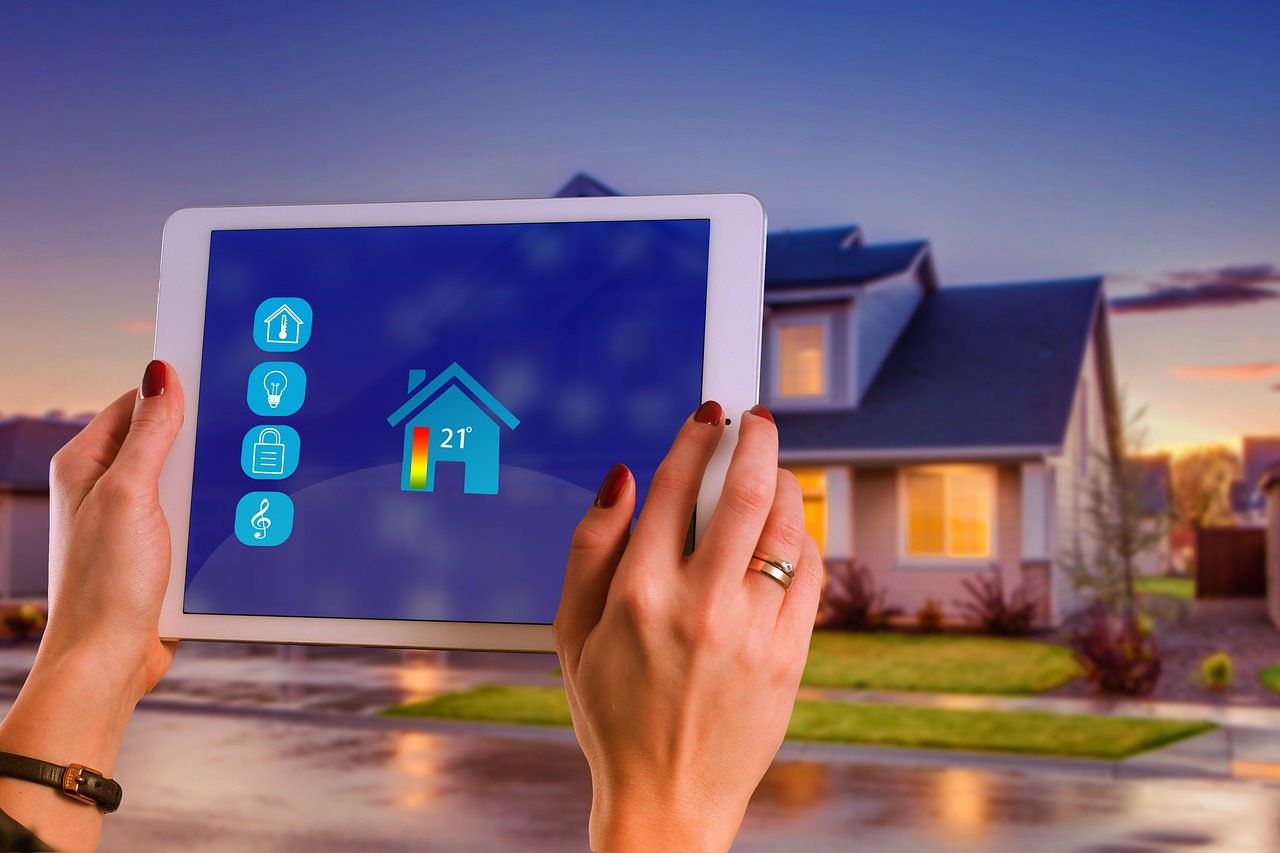
Smart homes are homes that include appliances and devices that can be controlled wirelessly from your phone or computer. Smart devices wirelessly connect to the internet and make life easier by making processes—like lighting, heating/cooling, and appliance activating—automatic. While some people mistakenly think of smart homes as frivolous or a waste of money, smart appliances are often designed to save you money, time, or both. Keep reading to the end of this article for examples of stress-saving upgrades you can make.
Pros and Cons of Smart Homes
There are many, but here are the key pros and cons of smart home technology to consider before investing in it.
Pro: Convenience & Luxury
Smart homes are known for their ability to add convenience to people’s lives. Smart homes allow you the flexibility to keep tabs on your home no matter where you are. This means whether you’re on vacation or at work, you can control the settings of your home’s locks, lighting, sprinklers, temperature, and more.
A massive convenience of smart technology is that you can regulate your house’s functions on a timed schedule. For example, you can program your lighting to turn on and off at certain times every day without you having to touch anything.
Pro: Peace of mind
Another advantage of smart homes is enhanced security. Features such as smart locks with cameras allow you to keep tabs on any suspicious activity around your house. While this is great for deterring intruders, it’s also handy if you’re trying to let someone into your home without being present. Have a nanny or contractor trying to access your home? Provide access to your home by unlocking your doors no matter where you are! It’s also common for people on vacations to program their lighting and blinds to function like they would if they were home, so it gives the illusion that people are still home to potential intruders.
Con: Potential malfunctions
As with all tech, smart home technology isn’t perfect. Whether or not it will work best for you depends on a variety of factors, like your knowledge of the products and your internet connection. A reliable internet connection is crucial for the consistent, proper functioning of your products. Other potential cons include concerns about privacy and malpractice, especially when it comes to devices where personal data is concerned.
4 Upgrades to Consider
When it comes time to decide which smart home products to incorporate into your home, it is best to consider the ones that are most advantageous to your lifestyle. Here are four common smart home upgrades to consider:
1. Smart Thermostat
A smart thermostat is a smart home upgrade that almost anyone can benefit from. Smart thermostats allow you to create customized heating and cooling schedules based on your schedule and will adapt to help save you the most money possible on your monthly energy bills. Smart thermostats allow you to control the temperature in your home no matter where you are, so you can comfortably adjust while on vacation or for your pets while you’re at home.
2. Smart Video Doorbell
Video doorbells are a great device to enhance your home’s safety, especially if you’re away from the home frequently. You can keep an eye on who approaches the door and attempts to enter the home. For frequent online shoppers, you can also keep an eye on packages delivered and left at the front door.
3. Smart Shades
Smart shades are not only cool but can also help you lower your monthly energy costs! You can program your smart shades to open and close depending on when you’ll be home and where the sun falls at a specific time of day. Some shades are even voice activated! This cool feature is enjoyable whether you’re in or outside of your home.
4. Smart Lighting
Smart light bulbs are one of the cheapest and most versatile options of all smart home tech—if you don’t want smart lighting for the whole house, one bulb in a bedroom can still go a long way. Aside from being personalized for your schedule, many bulbs are capable of different lighting settings, from daylight and candlelight to mood lighting. For that person who has a tough time getting up in the morning, a bulb activated to turn on daylight mode at 7 a.m. every day can be a great (and relatively) investment!
Working with a Smart Home Agent
When it comes time to sell, be sure to work with an agent who knows smart tech. It can be a differentiating factor among similar homes in the same neighborhood. Depending on the devices installed in your home, you may need to make some disclosures to buyers walking through your property. It’s also important that the hand-off to the buyer is seamless, which means ensuring that the tech is ready for the new owners to use. Coldwell Banker Elite agents are trained to understand the nuances of selling a smart home.
There’s a whole world of potential with smart home tech. We hope this article gets you exploring options that can give your lifestyle and home value a boost!
This is originally posted on Coldwell Banker Elite.
If you’re worried that the best time to sell your house has passed, you can take comfort in knowing that it is still an ideal time to sell your home in Virginia. If you weren’t planning on selling your home, then it may be worth it for you to look into it and consider it. The timing is perfect, and here are a few reasons why.
The Sellers Control the Market
The current state of the real estate market is ideal for sellers — this state of condition is even called a seller’s market. As of summer 2021, we are still in a seller’s market. In two of our service areas, we’ve seen an 18% average sales price increase in both our Fredericksburg, VA and Gainesville, VA markets. Housing inventory still has catching up to do from the stagnation experienced in the past couple of years, so there are less houses available but more buyers willing to buy them. With more buyers than sellers and housing in high demand, sellers hold more power over their prices.
The end result is that houses are selling more quickly and at higher prices. As a seller, you reap those benefits.
You Have More Flexibility When Selling
Before COVID-19 and our current seller’s market, you would have likely needed to make more repairs to your home before putting it on the market. In a buyer’s market, for example, it is especially important for homeowners to assess the wear and tear on their homes and make repairs as needed before they’re ready for selling. Otherwise, they can see a decrease in the amount of offers they receive and in their listing price. However, in the current market we’re seeing that many homeowners can put their homes on the market ‘as is’ and still receive many offers. Similarly, buyers in this market are more willing to purchase homes that need repairs and pay more money to do so.
Pricing Is Up
As mentioned before, housing prices are up and the market is geared toward keeping them high. It should be noted that the market is always fluctuating and there is no guarantee as to how long a trend will last. However, if you decide to sell your home in the near future, you can take comfort in knowing that you are operating in an ideal environment.
If You’re Unsure About Selling
If you’re on the fence about selling your home, it might be because you’re unsure about purchasing your new home. The inverse effect of the seller’s market is that buyers are experiencing a more challenging time successfully bidding on homes and purchasing them. In general, buyers are putting more time, more effort, and more money into landing their new homes. You might not want to purchase a new home when prices are high or spend time engaging in highly competitive bidding wars.
These are valid reasons to hold off purchasing a new home, and the great news is that there are other options you can take that will allow you to ease your transition and save some money and time. One key option is renting. Renting allows you to settle down for a temporary period of time while you wait for market conditions to swing back in your favor. Purchasing a new home is a timely and costly endeavor, and it can be highly beneficial to delay this decision until it is ideal for you. Selling your home and then renting is a great way to reap the benefits of this current market while waiting until the market is ideal for buying.
Are you ready to sell? We can help you sell your home today! Reach out to us and find the perfect agent for your needs today.
This was originally posted on Coldwell Banker Elite.
Did you know that one of the most important steps you can take when selling your home is creating great listing photos? High-quality listing photos are a strong asset for sellers because buyers see the home interior before they ever step foot in it. The quality of the photos—how inviting the staging and lighting are, how clear the pictures are, etc.,—plays a huge role in generating interest and first impressions.
Great listing photos can be created with a few key tips. We’ve covered how to create great listing photos for your home’s exterior; here, we’ll cover how to create photos for your interior! Keep reading to find out how you can create listing photos that bring out the best qualities of your home to attract more sellers.
Clean, clean, clean!
Let’s start with one of the most important steps: making sure your home is clean. The positive aspects of your house’s interior will suffer if your photos depict dust, dirt, scuff marks, mold, and clutter.
The kitchen and bathroom usually generate the most mess, so put extra TLC into making these hearts of the home as spotless as possible.
For the kitchen: scrub countertops, the stove, and appliances that show fingerprints.
For the bathroom, scrub the showers, toilets, and replace moldy shower curtains.
To make these rooms appear larger and more open, store food products and household items in cabinets or under the sink.
To make appliances like refrigerators appear more modern and clean, remove magnets and stickers.
Remove pet items
If you have a pet, make sure all pet items are stored away out of sight. For prospective buyers who are allergic to pets, seeing pet items in photos can instantly make them worry about how much fur is in your house. It’s best to avoid this possibility and make your space as allergy-friendly as possible.
De-personalize
It may seem counterintuitive, but personal touches like kids’ toys and unique memorabilia actually make your home less “homey” to potential buyers. People want to be able to envision themselves in your home. It’s easier to do this when your rooms contain only the necessary furniture and minimal clutter. The principle “less is more” really comes into play here.
Start by removing and storing excess furniture that clutters the rooms or makes rooms hard to navigate. Removing some furniture is the easiest and cheapest way to instantly create an illusion of more space, which buyers will appreciate.
You may also want to remove personal items like photos, signs, and memorabilia.
If you’re working with a professional stager, you can always consult them to get their advice on whether something is good to stay or go.
Remove mats and runners
While these are essential in your day-to-day living, most mats and runners are best removed from listing photos. Floor mats and runners make spaces appear smaller, can create a feeling of clutter, and do not photograph well.
Cue the lights!
The quality of a photo depends a lot on lighting. You can take advantage of both natural light and artificial light to create an inviting atmosphere. This step is also important for open houses and walk-throughs.
For natural light, open up all the blinds and curtains and let freshly cleaned windows do their job.
Artificial lights can generate warmth for dimly lit areas of a home or rooms without much natural light.
Make sure that you replace burned-out bulbs so that you’re getting the most out of your lighting!
Last but not least. . .
Consider getting a professional real estate photographer to take the listing photos of your home interior.
As mentioned in many of these steps, a professional photographer can be a wonderful asset. Photography principles like lighting, staging, and the right angles to take photos are best handled by the pros. Since your listing photos are the first impression buyers will have of your home, professional photos go a long way.
Because it’s so important for listing photos to look professional and highlight your home’s best features, our agents hire professional real estate photographers so that sellers’ homes look their best!
This was originally posted on Coldwell Banker Elite.
Selling a house can be a challenge for anyone. Whether you are familiar with the process or not, each home has its own unique features, layout, and perks which makes each selling experience wildly different from the next. Generally speaking, modernized homes tend to do pretty well in the market because they appeal to many first time or even pre-retirement homebuyers who, in the last few years, have taken up about 60% of the buying market. However, when selling an older home you may face a few more challenges. Luckily, there are a number of tips that you can apply to make your old home appeal to all buyers and ensure that it sells quickly on the market.
1. Consider Remodeling
Remodeling your house can be a great option for anyone looking to take on one last project before they sell. It will, of course, take some time and likely cost you a lot of money, however, it can give you a huge return on your investment (ROI) in the long run. Whether you are doing a full gut of your home or just looking for a few home improvements projects to take on, this is probably the most straightforward way to modernize your home.
You’ll have complete control over how much your home aligns with the current buyer and any modern home trends. You can adjust things like the layout, accents, even the square footage to fit the ideal buyer. However, you’ll have to leave time and money for the hidden costs of remodeling your home. These can include:
Asbestos Testing: Whenever renovating or opening up walls in an old home, you should always make asbestos testing a priority. Not only will this ensure the safety of any potential homebuyers but it will help prevent you or anyone around you from developing any asbestos-related cancers or illnesses. These can be life threatening down the line so it’s important to take precautions now.
Bringing Your House “Up to Code”: Many older homes were built during times when there were little to no building codes and regulations. However, since then, several government-mandated codes have been developed to ensure the safety of homeowners. So, as you make changes to update your homes, you’ll also have to bring it up to code which can add thousands of dollars to your list of expenses.
Structural Issues: Older homes were not always built by top-of-the-line contractors so as you become aware of any unsafe conditions, you will need to fix them for the safety of potential buyers. This can include a broken or sinking foundation, a weak beam, or a DIY electrical system.
Each of these costs are required for legal and/or safety reasons so it would be in your best interest to plan for them ahead of time so you’re not facing any unexpected financial issues before selling.
2. Offer Renovation Options
If you are not interested in carrying out a full renovation before selling your house, another great tip would be to give your prospective buyers the option to do so themselves. As a seller, you can buy some simple blueprints or renovation plans for your home and present them to potential buyers to showcase their options for growth. You can even offer up any options for expansions/additions to the home; however, this will have to come with a little more research into permit requirements needed to build onto what already exists. Luckily, whether it’s a renovation or expansion, some first time buyers may be interested in putting in the work to make this house perfect for them.
This tactic is especially great to try if your house is located in a prime area. If you are surrounded by a great school system or popular tourist attractions, some buyers may not be willing to give up on the amenities around them and will be more likely to consider renovating your home as is.
While this is certainly an underrated option when it comes to selling, it is certainly a plus for any buyers looking to grow. They’ll be able to see first-hand the potential of the space and make their decision from there.
3. Try Virtual Staging
Similarly, virtual staging is a cost-effective way for sellers to showcase the potential of their home without getting rid of its character. Many older homes still hold on to Mid-century, Victorian, or even Colonial styles that are a rarity in many markets. So it may actually be wise to maintain those styles to appeal to particular buyers.
However, as a buyer, it can be difficult to imagine how your modern style furniture will fit into an older home. Luckily, with virtual staging we see great eclectic mixes of styles that can appeal to the masses.
Depending on the type of buyer you are planning to target, you may use virtual staging as your only fully-furnished viewing option or you may purchase very niche virtual photos in addition to a more traditional, in-person staging setup. Whatever your choice, staging is a great way to take out your own personal taste and tailor the home to the style of your buyers.
4. Modernize
If the above tips still don’t seem like feasible options for you, you can always make small but effective changes to your home and give it more of a modern appearance.
Lighting plays an important role in the overall feel of a home. Many homes are filled with outdated lighting fixtures or bulbs that cast a yellow or orange tone across the entire house. However, with a simple update to the lighting, you can bring in a more fresh and clean look to your home.
Replacing small fixtures and accents within the home can be incredibly effective as well. For example, baseboards, furniture hardware, and outlet covers often reflect the design styles that were trending when the home was built. However, by modernizing these small features, you can give the home a more elevated look while still maintaining the character of the home.
Lastly, never underestimate the power of a fresh coat of paint. Colors can have a huge, subconscious effect on a buyer and can portray a feeling that they may or may not be looking for. So to make sure that the home appeals to your ideal buyer, be intentional with your color choices and do some research around the theory of color and the impact it can have in a home.
Selling Old Homes
Each of these tips are effective in selling an older home in such a young market. While some require a lot more work than others, they each can bring you a large profit once you put your home up for sale. But always remember, the greater the risk, the greater the potential for a high return. So, don’t be afraid to invest where you feel it’s needed. In any case, selling a home can be done and we hope that each of these tips will help ease the process for you and your buyer.
This was originally posted on Coldwell Banker Elite.
Are you ready to sell your home? Adding a home stager to your team might be your next best move. Your neighbors may not be talking about it, but many people connect with home-staging companies. The goal is to ensure a home is warm and welcoming while helping a buyer see the potential.
You have another option, too. Do your research — and do the staging yourself. With the help of a realtor, you can make a great first impression. Home staging has many benefits, and we hope you add it to your to-do list before putting your house on the market.
The How-To’s of Home Staging
Home staging is about preparing your home to help potential buyers see your space as their own. Adding decorations, removing personal items, and deep cleaning are a few ways to make staging a success. Although you are selling your home, remember you are also helping to sell a vision to the next homeowner. If you successfully staged your home, the benefits directly impact your budget.
Here is how to do things right:
Sell the vision
House hunters don’t want to see how you designed your home. They want to know if they can make a place feel like theirs. One of the best ways to accomplish this goal is to keep the design minimal. Let someone picture how their couch will look in the corner — or whether a bed will fit in a guest room.
Close with a cleaning
What could mess up a beautifully staged home? Dirty baseboards, odors, or other visible signs of an unclean home. It’s worth the time and investment to have your home professionally cleaned. For potential buyers, a clean home also shows a move-in-ready space.
Focus on key rooms
There is no reason to stage every room. Try to focus on the rooms that are key selling points. Consider staging the living room or the kitchen. If you have a spacious main suite, find ways to help homebuyers see this space as their own.
Home Staging: Hire a Professional or Stage On Your Own?
While hiring a professional is a great investment, a seller may need to allocate those costs to another part of the process. Either way, you are giving your home an edge over other homes in the neighborhood. By selling a home that includes a vision, you may be able to sell your home faster and at a better price.
If you are ready to stage your home, here are your options:
Hire a full-service staging company
Allow a full-service company to do it all. They can help you place the right photos on your home listing, attracting more potential buyers.
Attend a consultation and stage on your own
Learn from the best, and then try it on your own. During a consultation, gain advice on which rooms are your best selling points. Then, find ways to help each room stand out.
Stage your home on your own and consult your realtor
A quick Google search can introduce helpful tips for staging your home. Check in with your REALTOR® for feedback and guidance. They also have an eye for design and have experience staging a property to maximize your space.
Ready, set, stage! Put your home’s best side on display with these helpful tips.


 Facebook
 X
X
 Pinterest
 Copy Link